Basic making skills
You don't learn construction by building a house. You learn it by building a shelf, badly, and then a compost bin, less badly. Measuring, cutting, fastening, reading material: small projects teach all of it. Pick something you actually need, build it with hand tools only, and finish it. The confidence from completing one real thing carries into every project after it. And learn from my first raised bed: the corners were square, but I built it from the cheapest lumber I could find, and three years later the boards have deformed and it's growing a respectable crop of weeds. Material choice and maintenance are part of the craft too.
Start here

Paul Sellers — A lifelong woodworker on which tools actually matter at the start. The antidote to the buy-everything-first instinct.
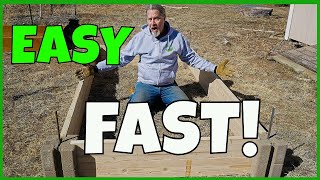
Gardener Scott — A perfect first hand-tool project: simple lumber construction that produces something you'll use all season.

This Cob House — What cob is and why earthen building works. Orientation for the natural building path that opens up in phase 2.
First project
Build something you actually need
Pick one small project: a raised garden bed, a compost bin, or a simple shelf. Hand tools only; the constraint is the point. Measure twice, cut once, and pay attention to how the material behaves before you cut it. When you're done, write down what you'd do differently. There will be a list.
Other ways in
Fix three things instead of replacing them
Pick three broken or worn items in the house and repair them this weekend rather than throwing them out. A loose chair leg that needs glue and a clamp. A drawer that sticks because the runner has come unscrewed. A door that no longer latches because the hinge has shifted. A lamp with a failed switch. Take a thing apart, see why it failed, fix it, put it back together. Repairing things will build your confidence that you can change your space however you imagine.
Three-bay pallet compost bin
Build a three-bay slat compost bin from pallet wood or scrap 2×4s. It combines basic carpentry (cutting, fastening, squaring up a frame) with a working piece of homestead infrastructure you will use for years. More useful long-term than a shelf and ties directly to the food and waste tracks.
After basic making skills, phase 2 construction gets you mixing cob at a workshop and cutting your first timber joints, building real structures. See construction in phase 2 →
Go deeper
Community Experiences
Loading...