Energy awareness & reduction
The instinct is to start with solar panels. Resist it. Until you know where your household's energy actually goes, you'll spend money on hardware to generate power you didn't need to use. A weekend energy audit costs almost nothing and usually finds changes that cut the bill 15–30%. Reduce first. Generate later, in phase 2, when you'll know exactly what you're sizing for.
Start here

This Old House — A real whole-house audit: air sealing, insulation, appliance loads, heating efficiency. Methodical and easy to copy at home.
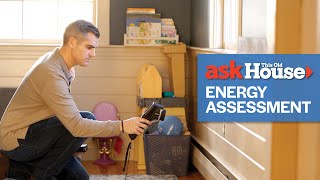
This Old House — Home technology expert Ross Trethewey shows a homeowner where her energy use is going and what to do about it.

altE — How to measure the actual draw of any plug-in appliance with a $25 meter. The fastest way to learn which devices matter and which don't.
First project
Home energy audit
Spend one weekend auditing your home. Measure the wattage of every significant appliance (a Kill-A-Watt meter costs about $25). Check window seals, door sweeps, attic insulation, and the air handler. Write it all down. Then rank your fixes by cost per unit of reduction and work down the list. The boring fixes, weatherstripping, sealing ducts, swapping the worst appliance, almost always beat the exciting ones.
Other ways in
Phantom load elimination weekend
Walk the house with a Kill-A-Watt meter and find every always-on device: TV, modem, cable box, game console, phone chargers, microwave clock, garage door opener. Put non-essential loads on switched power strips and turn them off when not in use. Most households see a measurable kWh and dollar reduction within the first 30-day billing cycle.
Weatherization weekend
Buy a tube of caulk, a can of low-expansion foam, a roll of weatherstripping, and two door sweeps. Seal every visible air leak: around windows, sill plates, attic hatch, electrical penetrations, plumbing penetrations. The single highest-ROI energy intervention in most homes, and you do it before considering any new equipment.
Once you've cut consumption through behavior and efficiency, phase 2 gets hands-on with generation: small solar installs, rocket stoves, and passive solar design. See energy in phase 2 →
Go deeper
Community Experiences
Loading...