Water system building
Phase 2 water is where awareness turns into plumbing. A 275-gallon IBC tote with a first-flush diverter supplies real irrigation. A biosand filter makes collected water drinkable. A laundry-to-landscape line cuts household water use dramatically. None of this is exotic: each one is basic plumbing skills plus a weekend, and each one teaches you something a textbook can't.
Start here

A complete 275-gallon IBC tote build with first-flush diverter, overflow, and distribution plumbing. The phase 2 project, start to finish.

CAWST — The Centre for Affordable Water and Sanitation Technology explains how biosand filtration works. Their site has the full construction manual, free.
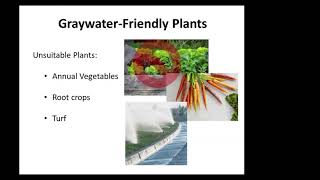
Greywater Action / EBMUD — Laura Allen, who co-founded Greywater Action, walks through the simplest legal greywater system: washing machine to mulch basins, no pumps, no treatment.
First project
IBC tote system with first-flush diverter
Install a 275-gallon IBC tote as your primary rainwater storage. Add a first-flush diverter on the inlet downspout to keep the dirtiest water out of the tank, a ball valve and spigot for distribution, and route the overflow to a mulched swale or dry well. Test pH and turbidity before you use it. Totes are food-grade and frequently $50–100 used; ask what was in them before you buy.
Catchment calculator
Tampa avg. rainfall: 52 inches. Formula assumes 85% collection efficiency and 0.623 gal/sq ft/inch.
Other ways in
Laundry-to-landscape greywater
Divert your washing machine output through 1-inch tubing to a mulched basin or a row of fruit trees. No pumps, no permits in most states (washing machines are explicitly exempt under California-style codes that many states copied). Cuts 15–25 gallons per day of fresh-water demand and gets you comfortable with the practical and regulatory side of greywater before tackling shower or sink branches.
Biosand filter build
Pour a concrete biosand filter following the CAWST construction plans. Layer gravel and graded sand, mature the biolayer over 2–3 weeks, and test pre- and post-filter turbidity to confirm performance. This is the unit you will own and maintain. The cheapest reliable path to making collected or surface water drinkable, and the foundation for the larger filtration systems that show up in phase 3.
Phase 3 water scales up: gravity-fed distribution, constructed wetlands, and water budgets for a whole community. See water in phase 3 →
Go deeper
Community Experiences
Loading...