Growing & preserving
You don't need acreage to learn to grow food. A balcony, a windowsill, or one 4×8 raised bed will teach you the fundamentals: what soil actually is, how often things really need water, why timing matters more than effort. And there's nothing quite like eating something you grew. Start with containers if containers are what you have. Everything you learn transfers when you get more space.
Practice first
Sprout · Kratky hydroponics sim
Practice the cause-and-effect chain before buying a jar. Water level falls and you don't top it off; nutrient concentration creeps up; pH drifts; damage is asymmetric. Real moves on a real plant, accelerated.
Start here

Epic Gardening — Soil, containers, watering, and which crops are worth a beginner's time. Watch this before you buy anything.
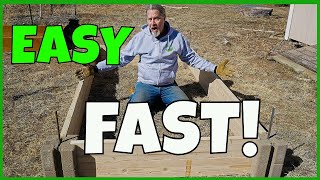
Gardener Scott — A raised bed built fast and cheap, ready to fill and plant. Proof that the build is the easy part.

The Berkeley hot composting method: carbon-nitrogen ratios, moisture, and a turning schedule. Compost in under three weeks instead of a year.
First project
One raised bed, one season
Build or buy a 4×8 raised bed, fill it with good soil, and grow a full season of kitchen vegetables. Keep notes: what you planted, what died, what you actually ate. The yield doesn't matter. What you're buying with this season is intuition about soil, water, and plants, and you can't get it any other way.
Other ways in
Windowsill herb garden
No yard, no patio? Grow four to six culinary herbs from seed in small containers on a sunny windowsill. Basil, parsley, cilantro, chives, thyme, mint. You will learn germination, watering rhythm, and light requirements at the smallest possible scale before committing to anything outdoor.
Microgreens and sprouts tray
Grow alfalfa, broccoli, radish, or sunflower microgreens in shallow trays. Harvest in 7–14 days, regrow continuously. The fastest possible feedback loop on food production, indoors, year-round. Useful as a hedge even after you have outdoor growing space.
Once you have a season of beds behind you, the natural next step is bio-intensive market garden techniques, seed saving, and perennial food systems. See food in phase 2 →
Go deeper
Community Experiences
Loading...