Energy system design
Sizing a solar array and battery bank for one cabin is a weekend. Sizing them for a community microgrid is a serious engineering exercise: load analysis, generation mix, storage, charge management, and what happens when the grid goes down and everyone's well pump wants to run at once. Add biogas and micro-hydro evaluation and you have phase 3. The target isn't perfection, it's keeping core functions alive through outages.
Start here
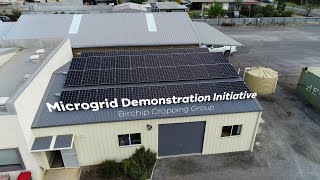
What a microgrid is, how it islands from the main grid, and what the control problem actually involves.

A fixed-dome digester build, showing how organic waste becomes cooking gas. The feedstock math matters more than the masonry.

A working micro-hydro installation, end to end. Watch for the head and flow measurements, that's the feasibility question for any site.
First project
Community energy system design
Complete a full load analysis for your forming community. Size a solar-plus-storage microgrid to cover critical loads, evaluate biogas and micro-hydro for your specific site, and write a phased implementation plan with cost estimates and maintenance protocols. Then have it reviewed by someone licensed to stamp it. Electricity at this scale does not forgive improvisation.
Other ways in
Household microgrid prototype
Build a 24V or 48V single-household off-grid system that covers your critical loads (lights, refrigerator, freezer, communications, well pump if applicable). Run it for six months minimum so you capture seasonal solar variance and a real winter low. The performance data tells you what your community-scale per-household sizing needs to look like, with no theoretical guesswork.
Biogas digester pilot
Build a small batch or floating-drum biogas digester sized for kitchen scraps and (if available) animal manure from a single household or small flock. Measure daily gas output, retention time, and feedstock conversion. Establishes the math and the maintenance routine before scaling to a community digester.
Go deeper
Community Experiences
Loading...